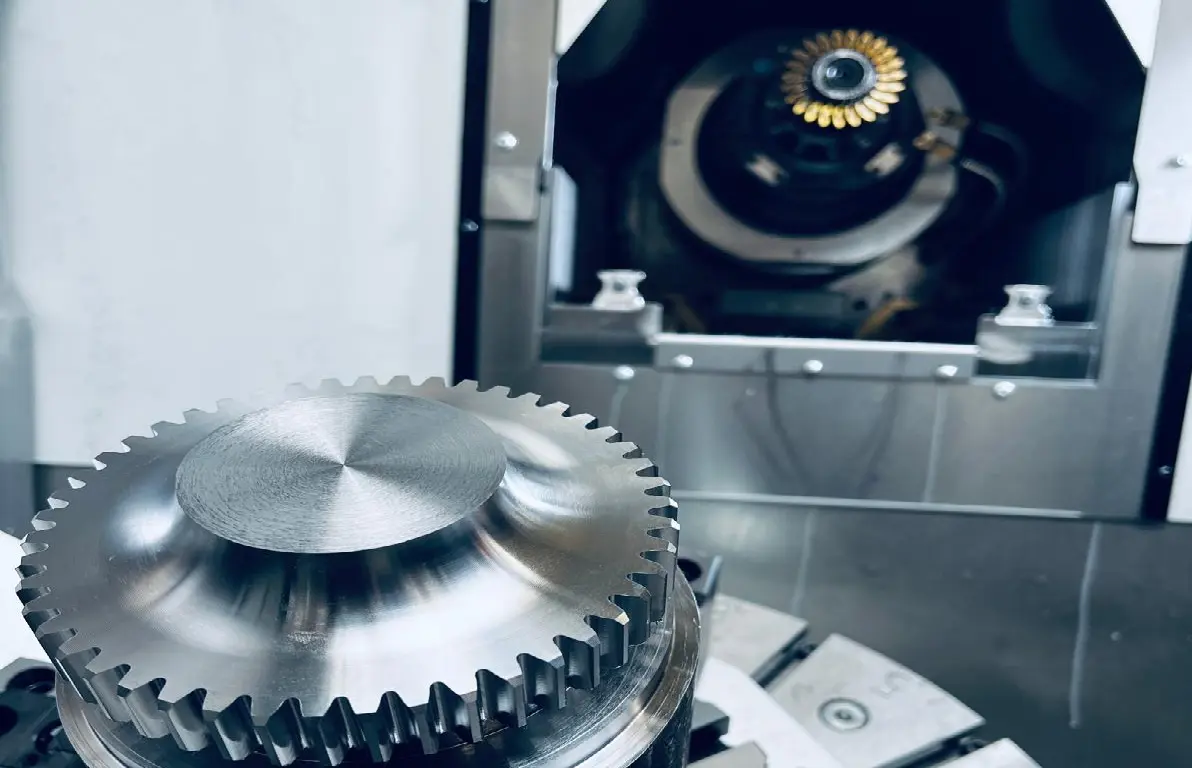
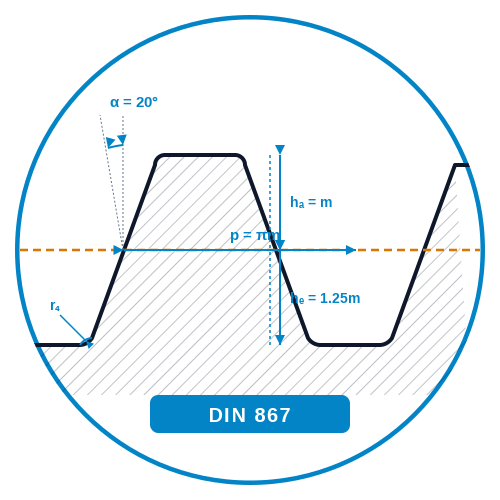
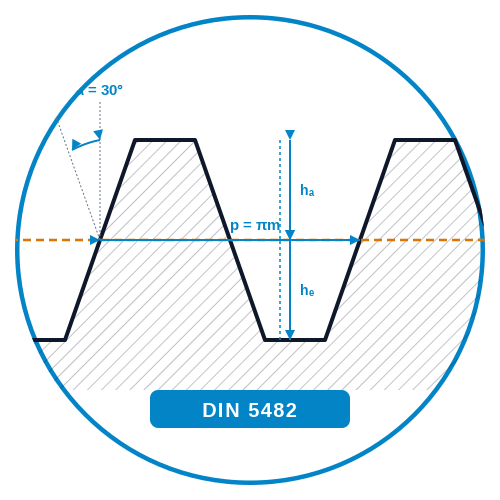
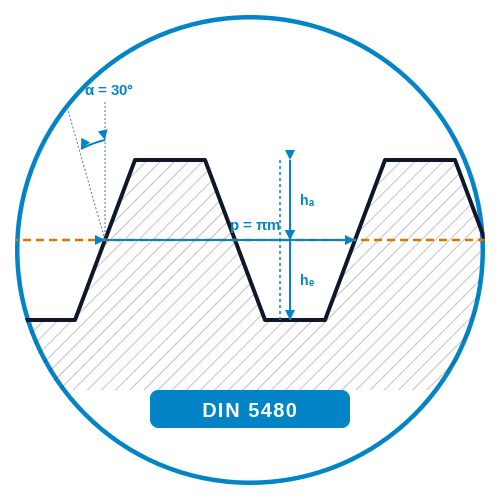
Power Skiving at ZKZ Gears is one of the fastest-growing machining methods, used to produce precision external gears, internal gears, splines and serrations. This method is an ideal solution for the needs of modern Industry 4.0 manufacturing, because it combines the productivity of gear hobbing with the versatility of Fellows-type shaping.
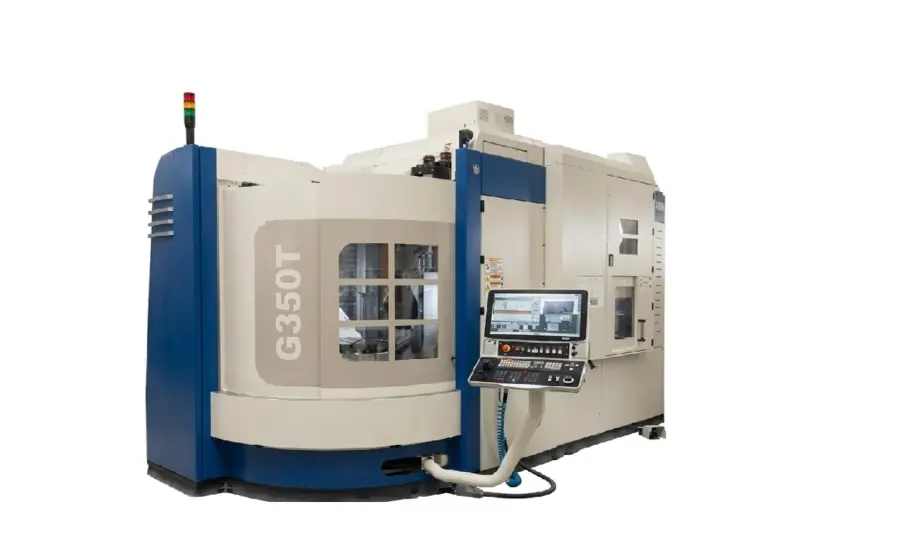
The following description presents the process based on solutions from tooling suppliers Ingersoll and Tradensa. We perform machining on a 5-axis mill-turn center, the GROB G350T, which is a key part of the ZKZ Gears machine fleet.
1. What does the Power Skiving process involve?
First and foremost, Power Skiving is a continuous cutting process involving synchronized rotary motion of the tool and workpiece. The axes of the tool spindle and worktable intersect at a precisely defined angle (the so-called shaft crossing angle Σ).
As both axes rotate at high speeds, the shaft crossing angle generates a dynamic reciprocating motion of the cutting edge along the tooth. As a result, a circumferential shaping action takes place. The tool gradually feeds radially into the workpiece, then moves axially along the face width. This allows the machine to efficiently cut external gears, internal gears and splines.
2. The role of tooling suppliers (Ingersoll and Tradensa)
Process performance depends 80% on tool geometry and durability. For this reason, we work with reputable manufacturers:
-
Ingersoll Cutting Tools: The company specializes in modern indexable insert tooling and solid tooling solutions. Ingersoll tools feature optimized geometry and PVD coatings (e.g., AlTiN/TiAlN). As a result, they enable high-speed cutting while minimizing vibration.
-
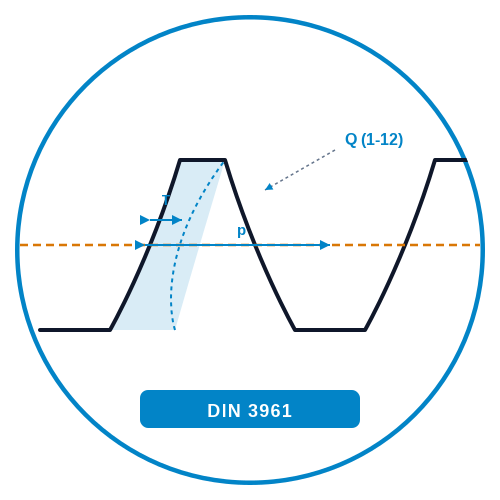
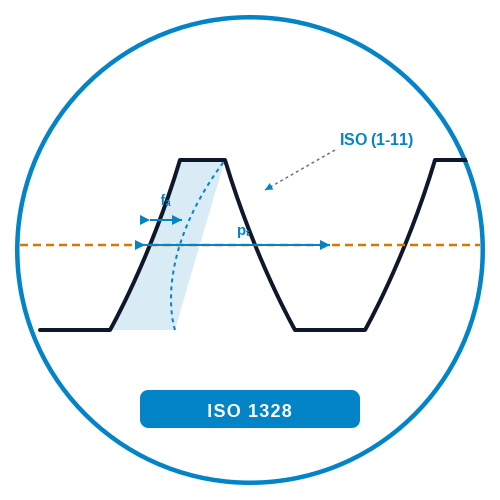
Tradensa: A supplier of professional HSS, PM-HSS and solid-carbide gear shaper cutters. Tradensa supplies tools with application-specific relief grinding (tooth profile modifications, protuberance for grinding, chamfering). This allows us to achieve tooth profile accuracy up to DIN grade 6–7, which is critical when machining internal and external gears.
3. Wide range of applications
Power Skiving is used across a wide range of machine component and transmission manufacturing applications:
-
Internal gears (rims, housings, rings): First and foremost, this is an ideal method for blind bores and gear rims with restricted tool runout.
-
External gears with close shoulders (stepped shafts): Moreover, the process enables machining of gear teeth located very close to flanges, where a conventional disc cutter would collide with the workpiece body.
-
Splines and serrations: The method enables precision cutting of internal and external connection profiles, such as splines and serrations on shafts and hubs.
4. Advantages and disadvantages of Power Skiving technology
Advantages:
-
Drastically reduced cycle time: Machining is up to 8 times faster than conventional Fellows-type shaping.
-
Minimal tool runout: The process requires only a few millimeters of tool runout beyond the gear rim.
-
High quality and repeatability: The method can achieve DIN accuracy grade 6–7 without subsequent grinding.
-
Combining operations in one setup: This allows us to drastically reduce runout errors (so-called one-setup machining).
Disadvantages:
-
High dynamic requirements: The process requires a machine with very high rigidity and perfect axis synchronization.
-
Complex tool design: The gear shaper cutter geometry must account for continuous corrections to the clearance angle and profile.
-
Higher tooling costs: Ingersoll and Tradensa carbide gear shaper cutters are more expensive than standard hobs.
5. Comparison with other machining methods
| Feature / Method |
Power Skiving |
Gear hobbing |
Gear shaping (Fellows) |
Broaching |
| Speed / Cycle time |
Very high |
Very high |
Low / Medium |
Extremely high |
| Internal gears |
YES (Excellent) |
NO (not possible) |
YES |
YES (through-bores only) |
| External gears |
YES |
YES |
YES |
YES |
| Splines and serrations |
YES |
YES (external only) |
YES |
YES |
| Restricted tool runout |
YES |
NO (requires runout space) |
YES |
NO |
| Machine versatility |
5-axis mill-turn center |
Dedicated hobbing machine |
Dedicated gear shaper |
Dedicated broaching machine |
6. Power Skiving on the GROB G350T at ZKZ Gears
The GROB G350T mill-turn center provides an optimal environment for this technology:
-
Structural rigidity (GROB tunnel concept): The G350T features a linear-axis configuration that minimizes the distance to the cutting point (TCP). This allows the machine body to effectively dampen vibration, which is essential when machining external and internal gears with carbide tools from Ingersoll and Tradensa.
-
Perfect spindle synchronization: The process requires precise synchronization of spindle rotation with table rotation. The GROB G350T provides ideal angular interpolation at high rotational speeds.
-
Machining in a single setup (Turn-Mill & Gear Skiving): On a single machine, we turn the workpiece body, cut internal gears, external gears, splines and serrations, then chamfer the edges. As a result, we completely eliminate errors caused by reclamping.
-
ZKZ Gears machining capacity: We machine components from 10 to 500 mm in diameter and with modules up to m = 5 mm. This allows us to maintain a stable DIN accuracy grade of 6–7.
Why choose Power Skiving at ZKZ Gears?
-
Shorter lead times: Machining is up to 8 times faster than conventional gear shaping, significantly reducing production costs.
-
Hard-to-reach areas: The technology efficiently cuts internal and external gears in confined spaces (e.g., near flanges).
-
Complete machining in a single setup: Turning, cutting teeth for splines or serrations and chamfering are all completed in one cycle. As a result, we achieve excellent concentricity.
-
Highest accuracy: A rigid machine and Ingersoll and Tradensa tooling ensure DIN grade 6–7 profile quality.
Power Skiving is highly effective for manufacturing gear rings, stepped shafts, sliding sleeves and transmission components. Contact us for a quotation!
We also perform finishing operations after heat treatment:
-
-
Gear hobbing (external gears)
-
Profile grinding (internal and external gears, splines)
-
Electrical discharge machining (EDM) by wire or sinker EDM (serrations and non-standard gears)