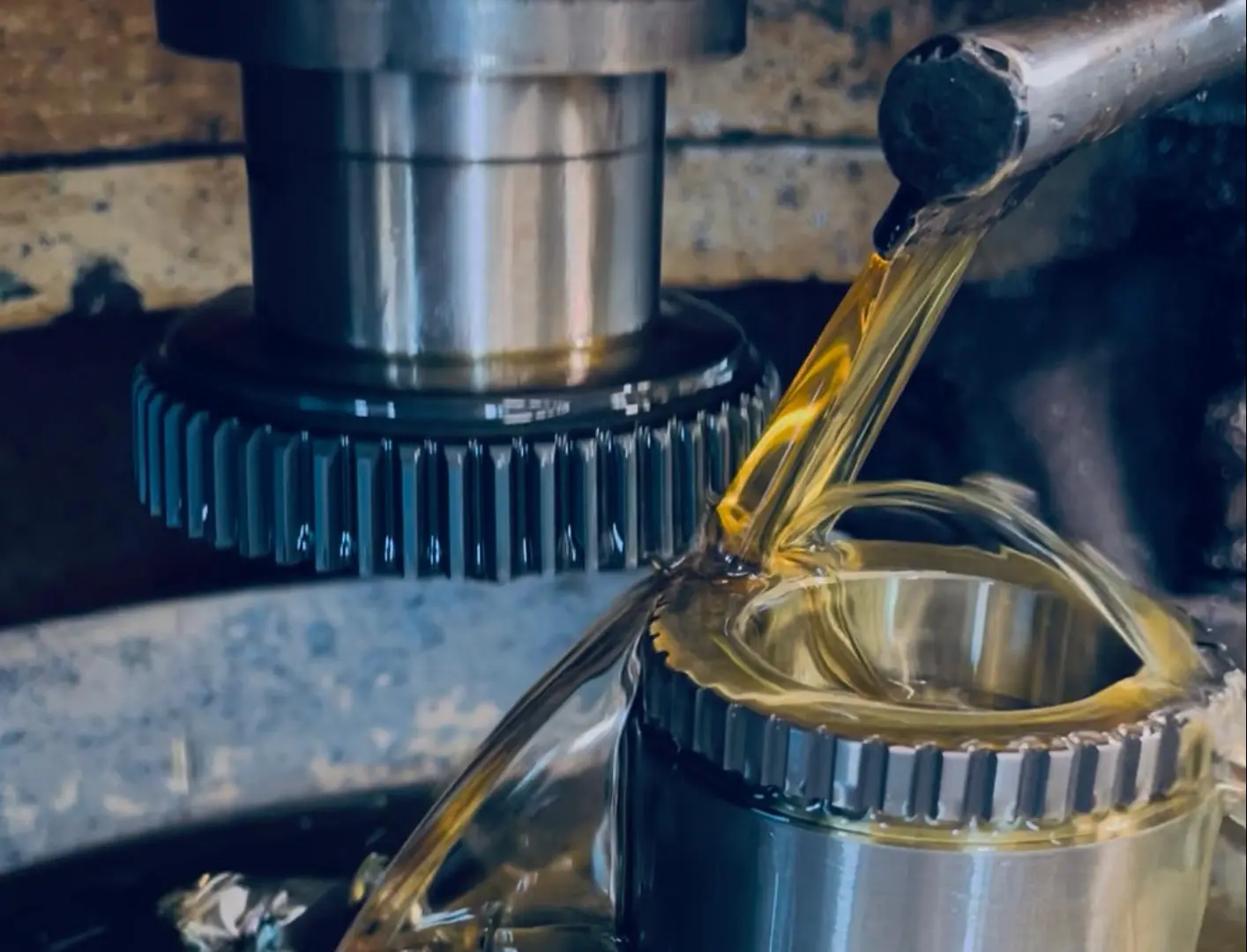
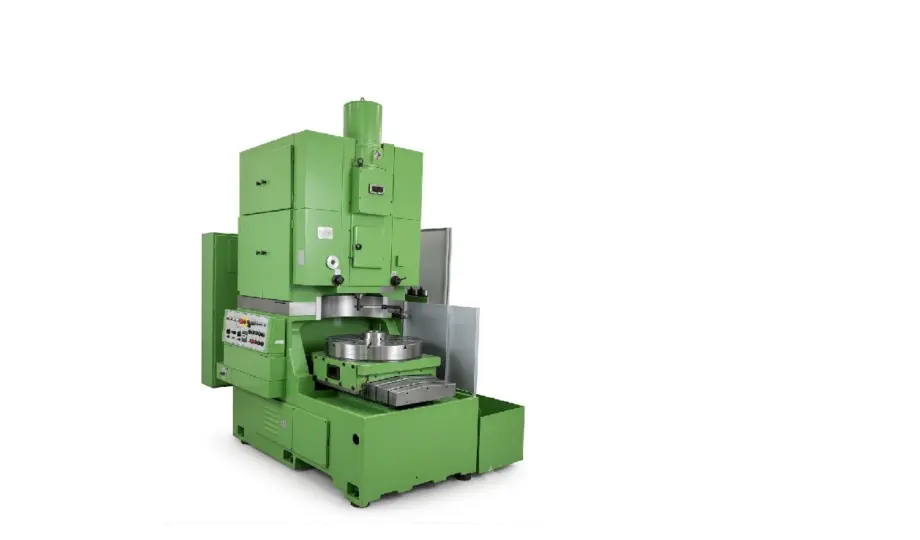
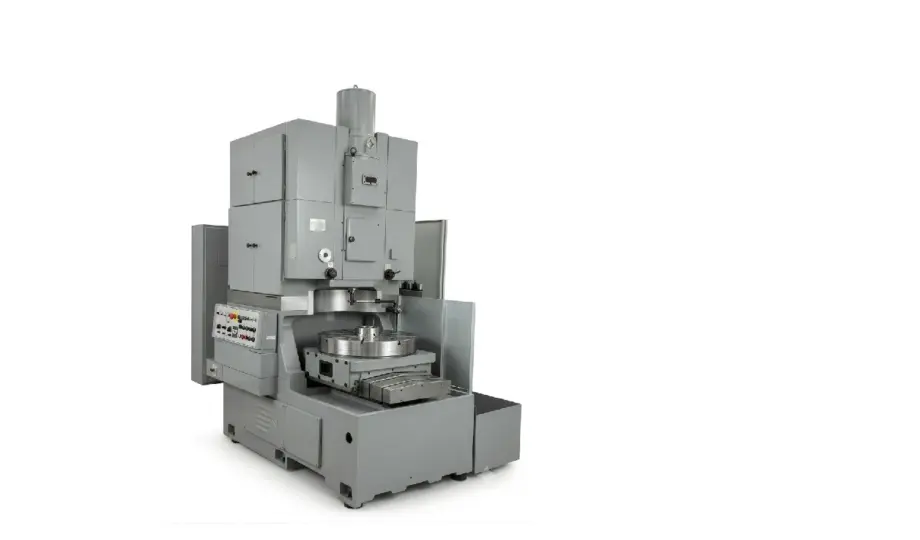
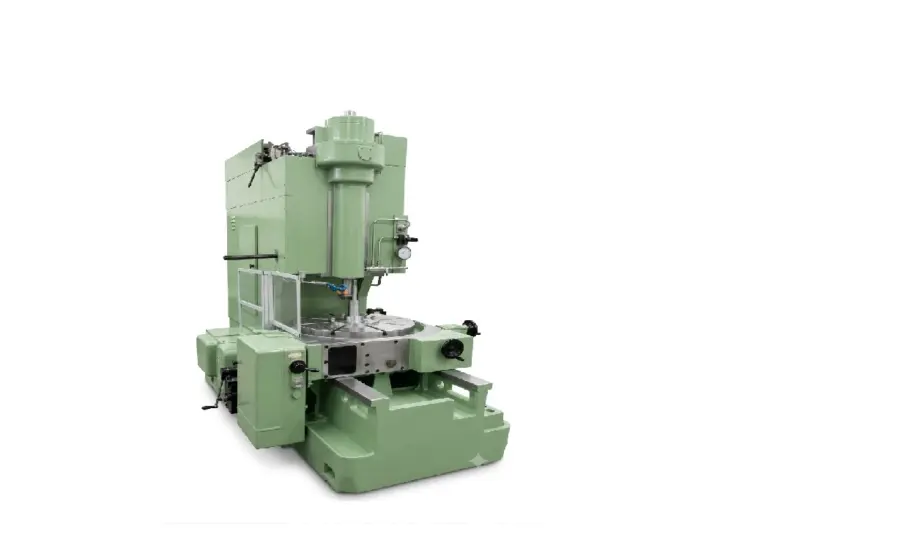
Fellows gear shaping at ZKZ Gears is an extremely important and indispensable process in modern gear machining. This method directly reproduces the kinematics of a meshing pair of gears: the cutting tool is a gear shaper cutter (also known as a shaping cutter), which performs a reciprocating stroke while rotating in synchronization with the workpiece. As a result, this technology is essential when the geometry of a component rules out the use of hobs. For this reason, at ZKZ Gears we perform this process using proven, reliable and highly efficient conventional gear shaping machines.
How Do We Perform Fellows Gear Shaping at ZKZ Gears?
At our machine shop in Oleśnica, Fellows gear shaping is performed on conventional gear shaping machines. Thanks to our operators’ extensive experience and carefully selected mechanical tooling, we achieve high geometric repeatability and optimal involute profile quality. In addition, conventional gear shaping machines provide a highly stable and flexible solution, particularly well suited to low-volume, repair and prototype production.
Machining Parameters and Capabilities
With our flexible technological resources, we can efficiently handle orders with a wide range of requirements:
-
Workpiece diameters: We produce precision gears for wheels and sleeves with external and internal diameters ranging from 20 mm to as much as 400 mm.
-
Module range: We cut teeth across a wide range of modules, from small modules starting at m = 0.5 up to m = 8 mm.
-
Maximum gear rim width: The tool’s working stroke allows us to machine gears up to 100–120 mm wide.
-
Hard-to-reach geometries: This technology is ideally suited to machining internal gears, gear rims located directly next to flanges, on shaft shoulders, and in recesses where the tool has no run-out.
-
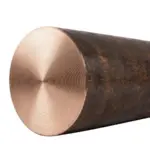
Materials: We machine alloy steels (for carburizing and heat treatment), stainless steels, cast iron, bronze and advanced engineering plastics.
ZKZ Gears Product Range
Thanks to the unique capabilities of conventional Fellows gear shaping and the ongoing development of our R&D processes, our product range includes highly specialized power transmission components. Our regular offering includes:
-
Internal gears: Precision gear rims for planetary gearboxes and various clutch sleeves.
-
Gear clusters (compound gears): Components with a small axial distance between gear rims, which prevents a conventional hob from passing freely.
-
Gears with limited tool run-out: Components with teeth cut directly next to flanges and faces, or in deep housing recesses.
-
Splines and internal involute connections: Sleeves and housings used in heavy-duty industrial gearboxes, construction machinery and automotive applications.
-
Segment gears and special-purpose racks: Products for the R&D, automation, optics and printing machinery sectors.
Technology Comparison: Fellows Gear Shaping (Conventional) vs. CNC Hobbing vs. Power Skiving
The choice of gear cutting method depends on the component geometry, required output and expected production volume. It is therefore useful to compare three key machining technologies used at ZKZ Gears:
| Feature / Parameter |
Fellows Gear Shaping (Conventional) |
CNC Hobbing |
Power Skiving (GROB G350T) |
| Primary application |
Internal gears, gear clusters, no tool run-out |
External gears, shafts, continuous gear rims |
Internal and external gears in a single setup |
| Control / Setup |
Mechanical (change gears, cams) |
CNC control |
5-axis CNC control |
| Machining kinematics |
Reciprocating motion + rotation |
Hob rotation + workpiece rotation |
Crossed-axis rotation of the tool and workpiece |
| Cutting productivity |
Standard (non-cutting return strokes) |
Very high (continuous cutting process) |
Extremely high (up to 5–8 times faster than Fellows gear shaping) |
| Geometric limitations |
Minimal (only a small undercut is required) |
Limited by walls and internal features |
Requires adequate tool run-out and a suitable crossed-axis angle |
Engineering Insights: Did You Know…?
-
An invention that transformed the automotive industry: The gear shaping method was patented by Edwin R. Fellows in 1897. His gear shaper made possible the mass production of quiet, compact gearboxes at low cost for the rapidly growing automotive industry.
-
Mechanical precision positioning: Conventional Fellows gear shaping machines rely on purely mechanical synchronization using gear trains and so-called change gears (the “change-gear train”). Despite having no electronic CNC axes, a correctly set up and maintained mechanical gear shaper can produce gears with exceptionally high pitch accuracy.
Advantages of Fellows Gear Shaping at ZKZ Gears
-
A solution for challenging geometries: Enables teeth to be cut easily in locations where a hob would collide with the workpiece face or flange.
-
Proven accuracy for internal gears: This is a reliable, established method for manufacturing accurate internal gear rims to quality grades compliant with DIN, PN, GOST and AGMA standards.
-
Cost-effective for short runs: Our conventional machine shop does not require complex programming, which directly translates into a highly competitive unit cost for custom and one-off orders.
-
Material versatility: We shape both very soft brass alloys and plastics, as well as difficult-to-machine alloy steels after preliminary heat treatment.
Explore Related Technologies at ZKZ Gears
Fellows gear shaping is an important part of the complete ZKZ Gears production cycle. We combine it with other machining technologies:
-
Finishing gears after hardening: Precision gears ground by generation and profile grinding on CNC grinding machines.
-
Thermochemical treatment: Hybrid carbonitriding (protected by Patent PL 237076) and induction hardening.
-
Measurement and profile verification: Gear quality inspection on coordinate measuring machines (CMMs), such as the Wenzel WGT.
-
Complete machine shop: Explore our other ZKZ Gears machining technologies.